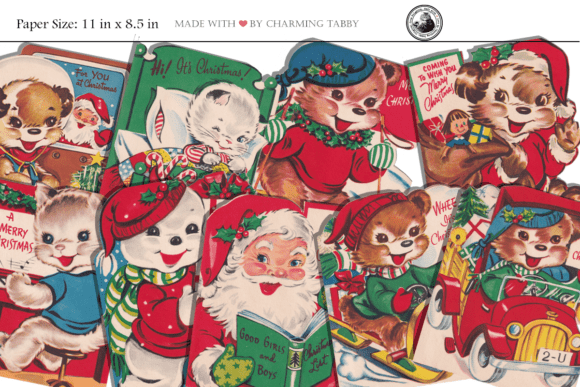
Vintage Christmas Cards: Illustrations for Brand Identity
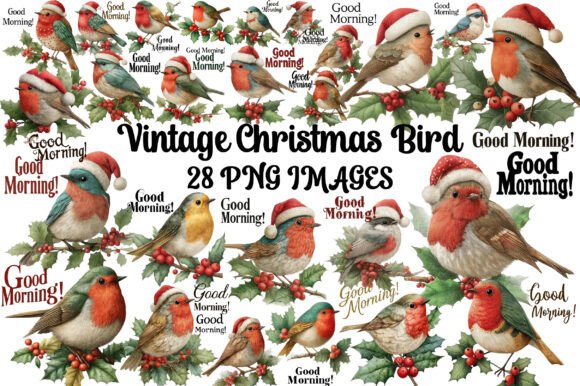
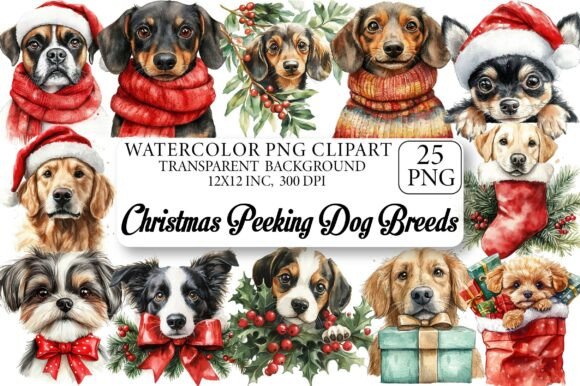
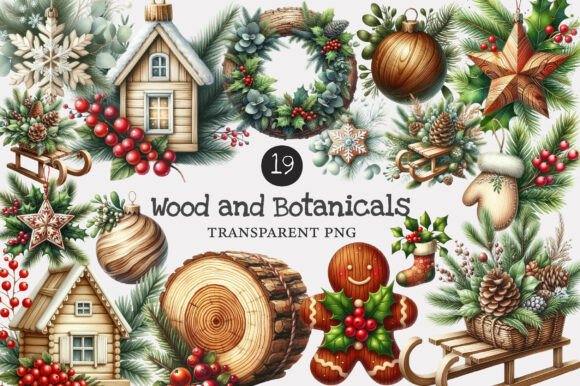
As a brand designer, I spend most of my days dissecting visual language. When I first pulled up Vintage Christmas Cards, my immediate reaction wasn’t just about the holiday aesthetic—it was about its potential as a foundational graphic design asset for small business branding. In the world of local commerce, especially for handmade businesses and boutique owners, seasonal assets are often treated as disposable decorations. However, this particular illustration collection possesses a depth and texture that suggests it can serve as a permanent pillar in your brand identity.
The mood created by these illustrations is undeniably nostalgic yet refined. It avoids the cloying sweetness of mass-market clipart, opting instead for a rustic, organic feel that resonates deeply with consumers seeking authenticity. For a local bakery, a artisanal soap maker, or a boutique candle shop, this visual tone communicates warmth, tradition, and care. It feels premium without being cold, and festive without being chaotic. This balance is crucial for professional branding, where the goal is to build emotional connection while maintaining visual hierarchy.
Evaluating the Visual Personality for Local Business
When reviewing any design asset, the first step is understanding the personality it projects. Vintage Christmas Cards leans heavily into the "handmade" and "organic" spectrum. The textures suggest paper grain, ink bleed, or hand-drawn lines, which immediately signals to the customer that the product inside the packaging was crafted with human hands. This is invaluable for small business branding in an era where digital fatigue is high.
If you are running a food label business, a florist, or a home decor shop, this asset aligns perfectly with brands that want to appear established and trustworthy. It does not scream "modern minimalist" or "corporate tech." Instead, it whispers heritage. This makes it an ideal choice for businesses looking to evoke feelings of comfort and nostalgia. The color palette, typically rich reds, deep greens, and muted golds, provides a strong framework for packaging design that stands out on crowded shelves or busy social media feeds.
Practical Applications in Packaging and Product Labels
The true test of any illustration is how it functions in real-world applications. I have evaluated Vintage Christmas Cards across several hypothetical but realistic scenarios for local entrepreneurs:
- Product Labels and Hang Tags: The intricate details hold up well when scaled down for hang tags on clothing boutiques or gift boxes. They add a tactile quality to the unboxing experience, turning a simple transaction into a memorable event.
- Packaging Accents: Using these illustrations as border elements or corner accents on shipping boxes can elevate standard brown cardboard into branded merchandise. This is a low-cost, high-impact strategy for product presentation.
- Seasonal Campaigns: For businesses that operate year-round, these assets allow for seamless transition into Q4 marketing. You can reuse core elements from these illustrations throughout the year as subtle background textures, creating a cohesive visual thread.
Furthermore, these designs support better shelf appeal. In retail environments, visual clutter is the enemy. Because these illustrations have a defined style, they help create a clear visual hierarchy, guiding the eye to the product name and price without overwhelming the consumer with competing graphics.
Integrating with Marketing Visuals and Social Media
Beyond physical goods, Vintage Christmas Cards serves as a robust resource for social media graphics and marketing visuals. Small business owners often struggle to maintain consistent aesthetics across platforms like Instagram and Pinterest. This asset provides a ready-made theme that ensures all promotional materials look polished and unified.
Imagine using these illustrations for:
- Thank-You Cards: Including a printed insert with a vintage design adds a layer of professionalism and gratitude that encourages repeat purchases.
- Website Banners: A hero graphic featuring these illustrations can instantly set the tone for your online store during the holiday season.
- Digital Products: If you sell printable planners or digital art, these illustrations can be repurposed as part of a larger bundle, increasing the perceived value of your digital product.
The versatility extends to editorial design as well. Newsletters and email headers benefit from the decorative nature of these assets, breaking up text blocks and keeping readers engaged. By maintaining a consistent use of these illustrations across both physical and digital touchpoints, you strengthen customer trust and reinforce brand recognition.
Strategic Considerations and Where to Use Carefully
No graphic design asset is universal, and Vintage Christmas Cards has specific boundaries. It is not suitable for formal corporate branding or luxury minimalist brands that rely on stark whitespace and sans-serif typography. The ornate nature of these illustrations can compete with important text if not handled correctly.
Designers should exercise caution in the following areas:
- Crowded Layouts: Avoid placing these illustrations over complex backgrounds or dense text blocks. They need breathing room to shine.
- Very Small Sizes: While detailed, fine lines may disappear on tiny labels or mobile icons. Always test scalability.
- Low-Contrast Backgrounds: Ensure there is sufficient contrast between the illustration colors and the background to maintain legibility and impact.
- Legal Information Areas: Never let decorative elements obscure ingredient lists, barcodes, or safety warnings. Clarity must always precede decoration.
Technical Notes for the Professional Designer
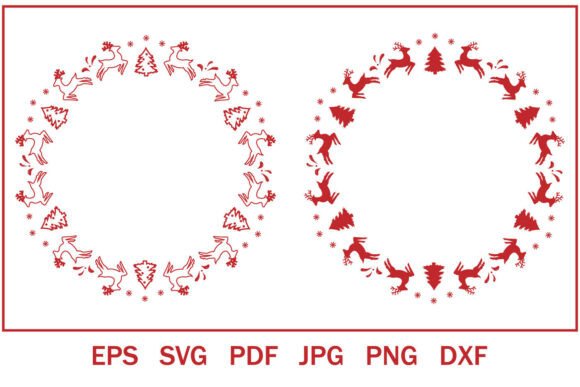
Before integrating Vintage Christmas Cards into a client project or personal brand, several technical checks are essential. First, verify the file formats. If you require editability, check for SVG design capabilities; otherwise, ensure the PNG design files have clean transparency. Testing the asset in black and white is also critical to ensure the composition holds up without color reliance.
I recommend pairing these illustrations with complementary typography. Serif fonts can enhance the vintage feel, while handwritten fonts can add a personal touch. However, avoid mixing too many font styles, as this can disrupt the visual hierarchy. Additionally, always confirm the commercial license before using these assets for physical product sales or large-scale advertising. Understanding the licensing terms protects your business from legal issues and ensures ethical use of creative marketplace content.
In conclusion, Vintage Christmas Cards is more than just a seasonal decoration; it is a strategic tool for local business growth. When used thoughtfully, it enhances packaging design, strengthens brand identity, and creates a lasting impression on customers. For designers and entrepreneurs alike, this asset offers a blend of charm and professionalism that can elevate any project from ordinary to exceptional.