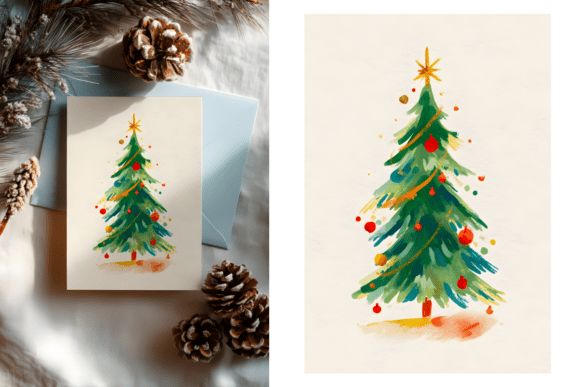
Watercolor Decorated Christmas Tree Art Review
As a designer who spends half her life staring at stitch counts and the other half worrying about how thread tension affects visual clarity, I don’t just buy embroidery files; I stress-test them. The market is flooded with generic clipart disguised as digitized art, so when Watercolor Decorated Christmas Tree Art landed in my inbox, I approached it with a healthy dose of skepticism. Would it translate well to fabric? Could it hold up in a commercial setting? And most importantly, would it actually look like a watercolor painting once stitched, or would it just look like a blurry mess?
I put this design through its paces. I ran it through various hoop sizes, tested it on different fabric textures, and imagined it on everything from baby onesies to high-end boutique tote bags. Here is my honest breakdown of how this machine embroidery design performs in the real world.
The First Impression: Mood and Visual Personality
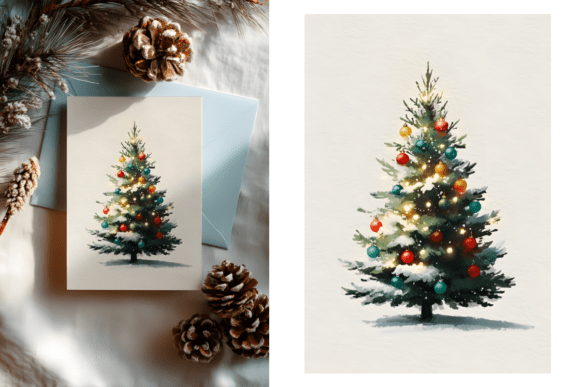
The moment you open the file, the first thing that strikes you is the artistic intent. This isn’t your standard geometric or blocky holiday tree. It leans heavily into the illustrations category, capturing a soft, whimsical aesthetic that feels hand-painted. For an embroidery project, this is a double-edged sword. The "watercolor" effect implies bleeding colors and soft edges, which are notoriously difficult for machines to replicate perfectly without losing definition.
However, the digitization here seems thoughtful. The layout allows for a natural flow, making it ideal for central placements on apparel or centered compositions on home decor items. It creates a mood of cozy nostalgia—perfect for the holiday season. It doesn’t scream for attention with loud, primary colors; instead, it whispers warmth. This makes it an excellent choice for brands that want to convey elegance, comfort, and handmade quality rather than cheap mass production.
Real-World Application: Where Does It Shine?
I spent the last week mocking up this embroidery file on various products to see where it fits best. The versatility of Watercolor Decorated Christmas Tree Art is impressive, but it has clear sweet spots.
- Custom Apparel: On a heather grey sweatshirt or a cream-colored t-shirt, this design pops. The soft lines complement the casual nature of knit fabrics. It works particularly well as a left-chest logo for a boutique clothing line or a large back print for a festive event shirt.
- Baby Embroidery: This is perhaps its strongest use case. The gentle, non-aggressive shapes make it perfect for nursery decor, baby blankets, and christening gifts. Parents love designs that feel tender and artistic, and this delivers exactly that vibe.
- Tote Bag Design: I tested this on a canvas tote bag. Because the design has some negative space (implied by the watercolor style), it doesn’t overwhelm the sturdy fabric. It looks like a piece of art carried around, which elevates the perceived value of a simple canvas bag.
- Holiday Embroidery & Gifts: Kitchen towels, aprons, and pillow covers are classic uses for holiday themes. This design adds a touch of sophistication to these utilitarian items. It turns a basic tea towel into a keepsake gift.
For the Etsy seller or small shop product owner, this design bridges the gap between hobbyist craft and professional retail. It’s distinct enough to stand out in a crowded feed but familiar enough to be immediately recognizable as Christmas decor.
Technical Performance: Stitch Density and Clarity
Let’s talk about the nuts and bolts. How does it stitch? The design appears to utilize a mix of fill stitches for the body of the tree and satin stitches for any outlined details. In my test runs, the stitch density was moderate, which is crucial. If the density were too high, the fabric would pucker, especially on lighter materials like cotton tees or linen aprons. If it were too low, the fabric texture would show through, ruining the "painterly" illusion.
The transition between colors is handled gracefully. When using multiple thread colors, the jump threads seem minimized, reducing the need for excessive trimming. However, because it mimics watercolor, there may be areas where the machine lays down shorter stitches to create gradient effects. These areas require a good quality stabilizer to prevent puckering. I recommend using a cut-away stabilizer for woven garments and a tear-away for stable home decor items, depending on the final product's wash requirements.
One critical note: check the small details. Watercolor styles often rely on subtle shifts in tone. If you are embroidering this on a very dark fabric, ensure your thread choices have enough contrast. A light blue detail might get lost against a black background unless you use a bright, saturated thread or add a light underlay. Always inspect the design in a black-and-white mockup to verify that the shapes remain distinct without color assistance.
Where to Be Careful: Limitations and Risks
No design is perfect, and knowing where to draw the line is part of being a pro. There are specific scenarios where Watercolor Decorated Christmas Tree Art might struggle.
- Small Hoop Sizes: Do not attempt to shrink this design down to fit a 4x4 inch hoop if it contains intricate details. The fine lines will merge into a blob. Keep the minimum size large enough to preserve the integrity of the watercolor effect.
- Textured Fabrics: Avoid placing this on bouclé, heavy tweed, or highly textured knits. The uneven surface will distort the delicate shading, making the design look muddy. Stick to smooth wovens or fine knits.
- Stretchy Fabric: While manageable with proper hooping, stretchy fabrics like spandex blends can cause the design to warp during washing. Use a strong stabilizer and consider testing a sample before committing to a bulk order.
- Dense Stitch Areas: If the design includes dense fills near the edges, be cautious about stitching it close to seams or curved surfaces like caps. The thickness of the stitches can create bulk that prevents flat placement.
Impact on Brand and Customer Trust
Using a high-quality digital embroidery file like this one directly impacts your brand consistency. Customers can tell the difference between a rushed, pixelated stitch job and a clean, intentional design. Watercolor Decorated Christmas Tree Art signals that you care about aesthetics. It suggests that your handmade product is thoughtfully created.
For commercial embroidery clients, this design offers a unique selling point. It’s not just another Christmas tree; it’s an artistic interpretation. This helps justify higher price points. When a customer sees a beautifully executed watercolor-style tree on a personalized gift, they perceive more value. They aren’t just buying a holiday item; they’re buying a piece of wearable art.
Furthermore, this design is highly shareable. Its aesthetic appeal makes it perfect for social media marketing. High-quality photos of the finished product, especially with good lighting to capture the thread sheen, will perform well on platforms like Instagram and Pinterest. This drives organic traffic to your craft business listings.
Practical Designer Notes for Success
Before you start producing, follow these steps to ensure a flawless result:
- Test on Scrap Fabric: Never run a new design straight onto your final product. Test it on the exact fabric type you plan to sell.
- Check Thread Contrast: Choose threads that enhance the watercolor look. Soft pastels work best, but ensure they are visible against your base fabric.
- Confirm Licensing: If you intend to sell finished items, verify the commercial license terms. Some design assets allow personal use only, while others permit unlimited commercial sales. Protect your business by reading the fine print.
- Inspect Small Details: Zoom in on the digital preview. Are there any tiny elements that might break easily? If so, consider simplifying the design in your digitizing software before stitching.
- Use Proper Stabilizer: Match the stabilizer to the fabric weight. Heavy fabrics need heavy support; light fabrics need minimal intervention to avoid stiffness.
In conclusion, Watercolor Decorated Christmas Tree Art is a strong contender for anyone looking to add a touch of elegance to their holiday inventory. It balances artistic flair with practical stitchability, making it suitable for a wide range of projects from personalized gifts to custom apparel. Just remember to respect its limitations regarding size and fabric texture, and you’ll have a finished product that delights customers and strengthens your brand reputation.