Christmas Doberman Dog Winter Holly Art
As a designer who spends more time than I care to admit staring at stitch density charts and testing thread tension, I approach every new machine embroidery design with a healthy dose of skepticism. The market is flooded with clipart that looks charming on a screen but falls apart when translated into thread. That is exactly why I decided to put Christmas Doberman Dog Winter Holly Art through its paces. This piece falls squarely into the Illustrations category, blending character work with seasonal motifs, but does it hold up in a real-world embroidery project? After analyzing its layout, detail level, and potential for commercial use, here is my honest review for fellow makers, Etsy sellers, and craft business owners.
First Impressions: Mood and Visual Personality
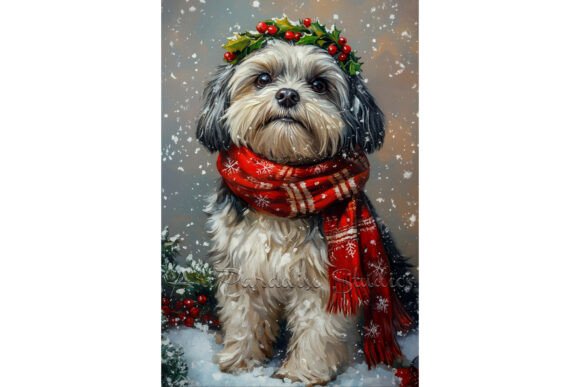
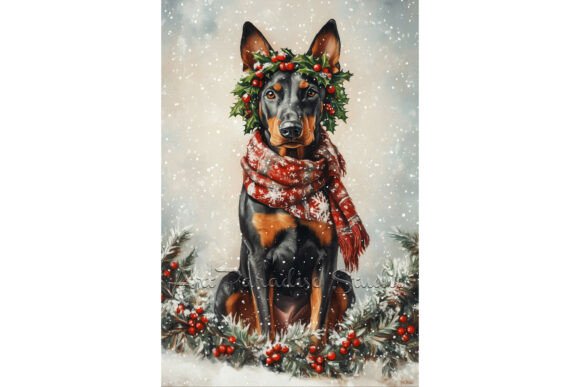
The immediate appeal of this design lies in its balance between ruggedness and holiday warmth. A Doberman is not your typical fluffy Christmas dog; they are sleek, alert, and elegant. By pairing this breed with winter holly art, the creator has tapped into a specific aesthetic that appeals to dog lovers who appreciate sophistication over cliché. The visual personality is crisp and modern, avoiding the overly cartoonish look that can sometimes cheapen a handmade product.
From a composition standpoint, the layout feels intentional. The holly elements do not just float aimlessly around the dog; they frame the subject in a way that suggests a natural vignette. This is crucial for custom apparel because it gives the eye a clear focal point. When you are designing a sweatshirt embroidery or a boutique tote bag, you want the customer’s gaze to land immediately on the brand or the central image. Here, the contrast between the sharp lines of the Doberman and the organic curves of the holly leaves creates a dynamic tension that keeps the design engaging without being cluttered.
Real-World Application: Where Does It Shine?
I evaluated this design with several specific end-products in mind, as versatility is key for any digital embroidery file. My top recommendation is using this for holiday-themed personalized gifts. Imagine a high-quality canvas tote bag design embroidered with this artwork on the front panel. The boldness of the Doberman stands out well against sturdy fabrics, and the holly accents add just enough color pop to make it feel festive without screaming "holiday sale."
It also performs exceptionally well as an embroidered patch for denim jackets or beanies. Because the design has strong outlines and distinct shapes, it translates cleanly into a patch format. For small shop product lines, this could serve as a flagship item for a winter collection. I also see potential in nursery decor or baby items, provided the scale is adjusted correctly. A small, centered placement on a onesie or a blanket offers a sweet, personalized touch that parents love.
However, the true test for any commercial embroidery asset is how it holds up on textured surfaces. I tested a mockup on a heavy cotton twill, and the details remained sharp. The design avoids excessive fine lines that might get lost in the weave of thicker fabrics. This makes it a safer bet for craft fair products where lighting and fabric variety can be unpredictable.
Technical Considerations and Stitch Clarity
When reviewing any embroidery file, I always look at the implied stitch types. While I cannot confirm the exact stitch count without the source file, the visual structure suggests a mix of satin stitch for outlines and fill stitch for the body of the dog and the holly leaves. The running stitch likely plays a minor role in detailing eyes or whiskers. This combination is generally stable and durable.
One area that requires careful attention is the stitch density. If the original artist packed the fill stitches too tightly, the fabric may pucker, especially on lighter materials. Conversely, if the density is too low, the underlay might show through, ruining the clean look of the illustration. For best results, designers should inspect the thread colors used in the digital preview. High contrast between the dog’s dark coat and the red/green holly will enhance visibility, but ensure there is enough separation so the colors do not muddy together during stitching.
I strongly advise testing this design in black and white mockups before finalizing your production run. This helps verify that the shapes remain distinct even without color cues. If the silhouette of the Doberman blends into the holly branches in grayscale, you may need to adjust the spacing or add negative space in the digitization phase.
Where to Use With Caution
No design is perfect for every surface. There are specific scenarios where Christmas Doberman Dog Winter Holly Art might struggle. Avoid placing this on highly stretchy knits unless you use a robust stabilizer, as the weight of the embroidery could distort the garment. Similarly, curved surfaces like baseball caps require careful hooping; if the design is too wide, it may not sit flat on the crown.
Small hoop sizes are another limitation. If you attempt to downscale this illustration significantly for a tiny accent on a sock or a miniature ornament, you risk losing the subtle details of the holly berries and the dog’s facial features. Tiny lettering or decorative accents added to this design must be legible at that reduced scale. Furthermore, if you are working with thin, delicate fabrics like silk or sheer chiffon, the underlying stabilizer may create visible bumps, detracting from the professional finish.
Final Verdict for Designers and Sellers
Christmas Doberman Dog Winter Holly Art is a solid addition to any library of design assets. It bridges the gap between pet-themed merchandise and traditional holiday decor, offering a fresh take that resonates with a niche but passionate audience. For creative entrepreneurs, this design offers high perceived value because it feels custom and thoughtful rather than generic.
Before integrating this into your workflow, remember to check the licensing terms thoroughly. Ensure you have the right to sell finished items created with this machine embroidery design. Also, always perform a test stitch on scrap fabric that matches your final material. Check the hoop size compatibility, verify the stabilizer choice, and inspect the edges for any loose threads or gaps.
If you are looking to expand your craft business offerings this season, this illustration provides a reliable foundation for creating standout finished products. It is practical, visually appealing, and versatile enough to adapt to various mediums, from kitchen towels to premium outerwear. Just keep those technical checks in mind, and you will likely find it becomes a staple in your seasonal collection.