Christmas American Staffordshire Terrier Embroidery Review
As a designer who spends half my life staring at digitized files and the other half troubleshooting tension issues on the embroidery machine, I have learned to trust my gut before I ever thread the needle. When evaluating a new machine embroidery design, especially one with such specific character like the Christmas American Staffordshire Terrier, I am looking for more than just cuteness. I am looking for stitch integrity, visual balance, and market viability. This review breaks down how this particular illustration translates from screen to fabric, focusing on its practical application for small business owners, Etsy sellers, and serious hobbyists.
First Impressions: Mood and Visual Personality
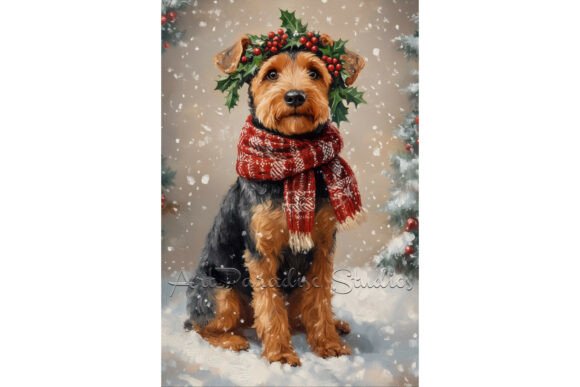
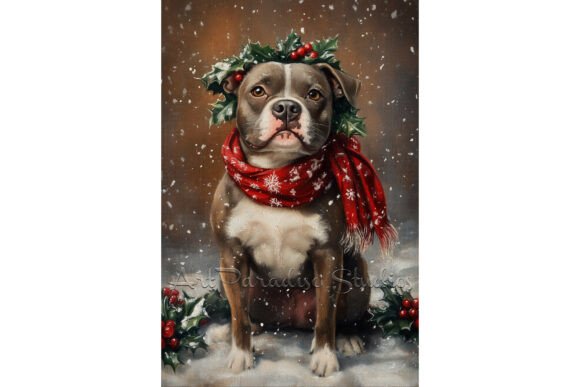
The moment you open the file for the Christmas American Staffordshire Terrier, the intent is clear. It is not trying to be a complex artistic masterpiece; it is designed to be an immediate emotional hook. The illustration style leans into warmth and approachability, which is exactly what works in holiday-themed embroidery projects. The breed choice—an American Staffordshire Terrier—adds a layer of rugged charm that contrasts nicely with traditional soft holiday motifs. It feels grounded, loyal, and festive all at once.
From a layout perspective, the composition is centered and balanced, making it incredibly versatile. Whether you are planning to use this as a chest logo on a sweatshirt or the focal point on a tote bag, the negative space around the dog allows the eye to rest. The mood is celebratory without being chaotic. For craft business owners, this is a crucial distinction. You want designs that evoke joy but do not overwhelm the wearer or the product. This design strikes that balance effectively, positioning itself perfectly for holiday gifts and seasonal merchandise.
Real-World Application: Where Does This Design Shine?
I recently evaluated this file with the intention of creating a limited-run line of custom apparel for the upcoming season. My thought process immediately went toward products that benefit from high visual impact but require durable stitching. Here is where the Christmas American Staffordshire Terrier truly excels:
- Sweatshirt Embroidery: This is perhaps the strongest use case. The bulk of a fleece or cotton blend sweatshirt provides the perfect foundation for the stitch density likely present in this design. The texture of the fabric complements the "fluffy" aesthetic of the terrier’s coat representation.
- Tote Bag Design: Canvas bags are a staple for Etsy sellers. Placing this design centrally on a heavy-duty canvas tote creates a statement piece. The sturdy fabric can handle the weight of the threads without puckering, ensuring the finished product looks professional rather than home-made.
- Embroidered Patch: If the file includes a clean border or if you plan to add one, this makes an excellent patch for denim jackets or backpacks. The bold lines typical of this illustration style translate well to patches, offering a retro yet modern vibe.
- Baby Embryoidery: While delicate, the theme is gentle enough for nursery decor or baby blankets. However, caution is advised here regarding thread softness and size, which we will discuss later.
For digital product sellers, this image also serves as a strong base for printable mockups. Even before stitching, the visual appeal suggests high engagement rates on social media platforms, where users respond well to animals in holiday settings.
Technical Performance and Stitch Clarity
When reviewing an embroidery file, I always look at how the artist handles detail. The American Staffordshire Terrier has distinct features—ears, eyes, and muzzle—that need to be recognizable even when rendered in thread. In this design, the use of satin stitch for outlines and borders appears crisp, providing definition against the fill stitch areas used for the fur and background elements.
The stitch density seems appropriate for general purpose use. It is not so dense that it becomes stiff and uncomfortable to wear, nor is it so sparse that the fabric shows through. This balance is key for commercial embroidery, where customer comfort directly impacts reviews and return rates. The inclusion of running stitch details, if present for whiskers or subtle shading, adds a level of sophistication that elevates the piece from a simple graphic to a textured artwork.
However, clarity depends heavily on your setup. If you are using low-quality threads, the nuances of the illustration may get lost. High-sheen polyester threads often bring out the best in illustrations because they reflect light, making the colors pop. Matte rayon threads can also work well for a more subdued, premium look, depending on the target audience.
Where to Exercise Caution
No design is universally perfect, and the Christmas American Staffordshire Terrier has specific constraints you must respect to ensure a successful finished product:
- Small Hoop Sizes: If you attempt to digitize or embroider this in a very small hoop (under 4x4 inches), you risk losing detail. Tiny features like the eyes or mouth may become muddy blobs. Stick to medium to large hoops to preserve the character’s expression.
- Textured and Stretchy Fabrics: Avoid using this on highly textured fabrics like chunky knits or stretchy spandex blends unless you are experienced with stabilizers. These fabrics can distort the hoop size alignment, causing the design to shift or pucker. For stretchy materials, a tear-away stabilizer might not provide enough support during the run.
- Dark Fabric Contrast: Ensure your thread colors offer sufficient contrast against dark backgrounds. If the design relies on light-colored fills for the dog’s face, it may disappear on navy or black fabric. Always test contrast before committing to a full production run.
- Curved Surfaces: While caps are popular, applying a large, detailed design to a curved surface requires advanced technique. The flat nature of the illustration may not follow the curve of a cap naturally, leading to distortion at the edges.
Strategic Advice for Designers and Sellers
Before you start mass-producing items with this design, there are several practical steps every creative entrepreneur should take. First, always test the design on scrap fabric that matches the weight and texture of your final product. This reveals potential issues with stabilizer choice or tension settings that a computer preview cannot show.
Check the licensing terms carefully. As a small shop product owner, you need to know if you are allowed to sell the finished embroidered goods. Some digital embroidery files come with personal-use-only licenses, while others permit commercial sales up to a certain limit. Confirming this prevents legal headaches down the road.
Furthermore, consider the presentation. A handmade product sells not just on the item itself but on the story. Pairing this Christmas American Staffordshire Terrier design with complementary items—like matching ornaments or kitchen towels—can create a cohesive brand identity. Use black and white mockups to check the value structure of the design; if it loses impact without color, the stitch placement might need adjustment.
Final Verdict
The Christmas American Staffordshire Terrier is a solid, market-ready embroidery project asset. It captures the spirit of the holidays with a unique twist that appeals to dog lovers and those who appreciate the breed’s spirited personality. Its versatility across various mediums—from custom apparel to personalized gifts—makes it a valuable addition to any designer’s library.
By respecting its technical limitations and leveraging its strong visual appeal, you can create high-quality finished products that resonate with customers. Whether you are updating your Etsy listings or preparing inventory for craft fairs, this design offers a reliable path to creating memorable, wearable art. Just remember: good results start with proper testing, quality materials, and a clear understanding of the design’s capabilities.